
Rancho San Diego Flea Control
Act Now - Limited Time Offer
$97 Pest Control
Meet Our Team
Our experienced professionals are dedicated to keeping your property pest-free.

Chris Barber
Lead Technician

Jakob Beltran
Pest Control Specialist

Mackenzie Keene
Customer Service Manager
Common Fleas Found in Rancho San Diego, CA
Cat fleas (Ctenocephalides Felis)
Homes are often plagued by cat fleas (Ctenocephalides felis), reddish-brown parasites about 1/8 inch long that live on cats and dogs. They feed on the blood of pets, causing itching, hair loss, and, in severe cases, anemia. Cat fleas can also bite humans, leaving itchy, red welts that may trigger allergic reactions.
The life cycle of the flea includes four stages: egg, larva, pupa, and adult. Female fleas lay 20-50 eggs daily, which fall onto bedding and carpets. Larvae feed on organic matter and grow in humid environments. The complete life cycle lasts about 18 days, with adult fleas living up to 40 days on their host.
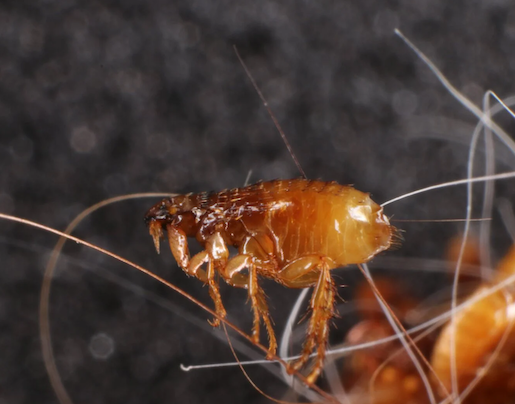
Dog fleas (C. Canis)
Ctenocephalides canis, or dog fleas, are parasitic pests that commonly infest dogs but may also affect humans and cats. While less common in California than cat fleas, they still pose a problem. These reddish-brown, wingless fleas are small and challenging to spot. They feed on the blood of their hosts, causing itching and discomfort, and can also spread parasites like tapeworms.
Dog fleas have a life cycle that includes eggs, larvae, pupae, and adults. Flea eggs often fall off the host onto bedding or carpeted areas. Larvae feed on organic material and flea waste. Pupae develop in cocoons and may stay dormant for several months. Adults live for weeks, feeding and reproducing regularly.
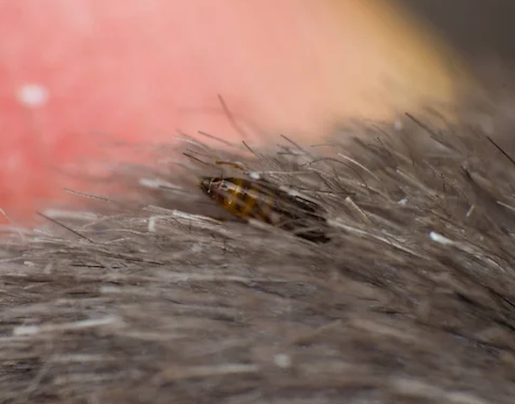
Sticktight fleas (Echidnophaga Gallinacea)
Sticktight fleas are often found on ground squirrels and poultry, where they attach themselves to the ears and eyes of their hosts. This can cause discomfort and health issues. Pets that roam outside, especially in areas with ground squirrels, are more at risk. Regular checks of pets can help catch infestations early.
Both pets and their environment must be treated. Ensure that pets and their bedding are treated on the same day. For homes with outdoor pets, indoor and outdoor areas must be inspected and treated thoroughly.
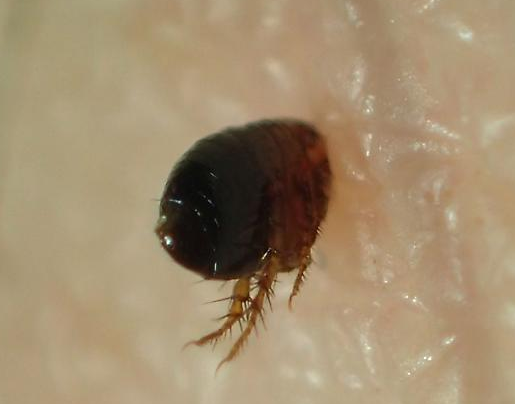
Our Fleas Control Process is Simple
Flea Inspection
Starts flea control with a thorough inspection of your property. We check your yard for flea hotspots, especially areas frequented by pets. This helps us focus our treatment on the most affected zones. Our technicians review shaded areas and dense foliage for signs of fleas. Indoors, we target baseboards, cracks, and crevices where fleas hide. We also inspect pet bedding, carpets, and furniture to ensure we locate all flea habitats. A detailed inspection is vital for successful flea control.
Day 1
Initial Treatment
Before our flea treatment, take the following steps to prepare. Outside, cut the grass. Inside, remove items from the floors, such as toys and rugs. Vacuum carpets, under beds, and closet floors, then dispose of the vacuum bag. Sweep and mop all hard floors. Treat pets and clean their bedding on the same day. You’ll need to leave the house for 2-3 hours while the treatment dries. We start by inspecting your yard to identify and treat flea hotspots across up to half an acre. Indoors, we apply liquid treatments to baseboards, cracks, and pet play areas. Floors may be slippery at first but dry fast. Using fans or air movers can help speed up the drying process.
Day 1
Follow-Up Treatment
We offer a complimentary follow-up treatment two weeks after the initial flea service to ensure any remaining fleas are eliminated. This second visit is essential for targeting newly hatched fleas. Our technician will perform the same thorough treatment, focusing on the areas previously treated. To enhance the results, we recommend vacuuming carpets and sweeping floors regularly after the first treatment. This will help stimulate flea eggs to hatch, allowing the follow-up treatment to be more effective. Keep pets treated and their bedding clean to prevent re-infestation.
2 weeks after initial
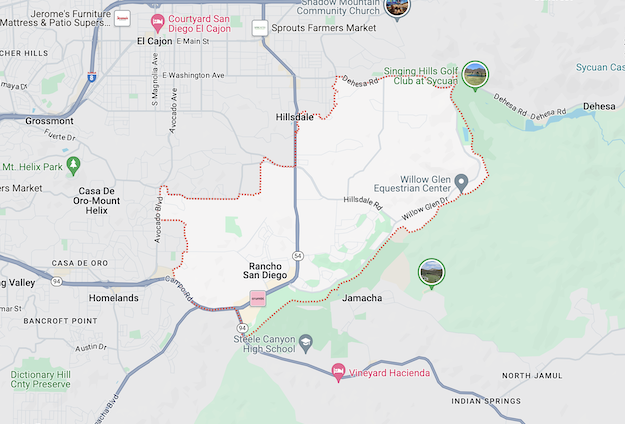
We Proudly Serve Rancho San Diego and the Surrounding Areas
Serving Rancho San Diego and its surrounding neighborhoods, we're committed to keeping your homes and businesses pest-free. Our team values these communities and aims to provide outstanding service and reliable results.
Get A Free QuoteFleas Frequently Asked Questions
Get answers to common questions about our Fleas pest control services.